
- Authors
What we built
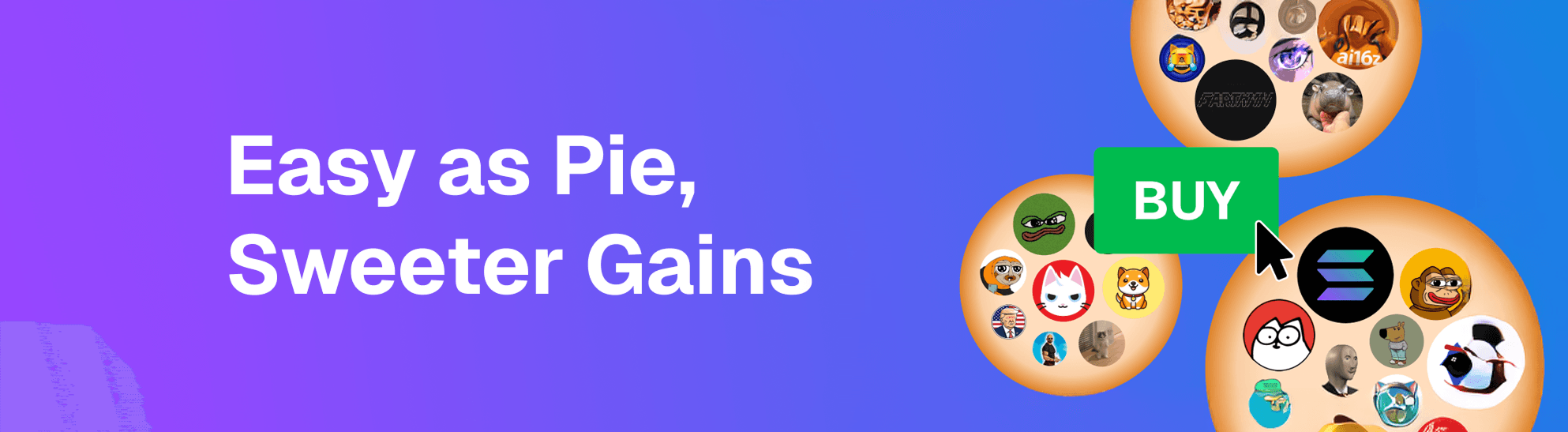
We built a thematic index platform designed to give users seamless exposure to narratives across multiple chains and to serve as a revenue-generating business line that could help sustain Spacebar's long-term development. Instead of requiring people to navigate different ecosystems, wallets, or bridging flows, the platform enabled them to buy a single index token representing a curated basket of assets tied to a specific theme. These index tokens, launched initially on Solana, included flagship themes created by creators ranging from large-cap narratives to emerging "moonshot" categories, each with automated rebalancing and transparent composition.
Onboarding was intentionally frictionless. Users could connect an EVM wallet, pay with USDT or USDC, and the system would automatically swap and route liquidity behind the scenes, removing the complexity traditionally associated with cross-chain asset acquisition. Privy allowed new users to participate instantly with an embedded Solana wallet, while each index had a dedicated page showing performance, composition, holder activity, and branding.
As part of the longer roadmap, creators would eventually launch their own thematic indices with custom weights, timelines, risk levels, and fundraising goals: transforming the platform into a marketplace of narrative strategies. Future versions included leaderboards, token-gated chats, forums, credibility layers, and multi-chain index composition. The broader vision was to turn thematic exposure into a social, creator-driven, cross-chain experience, while also building a sustainable revenue engine that could support Spacebar's ecosystem over the long run.
As we progressed, it also became clear that this initiative required a different direction than our core mission. We made the difficult decision to restructure the team and narrow our focus. The people who remained, the ones genuinely aligned with the long-term vision of Spacebar, became the foundation for the next chapter of the product. This transition allowed us to refocus our energy and talent on the world we truly want to build.
What worked (sustainable value)
The strongest validation came from simplifying a problem that exists across crypto: people want exposure to themes, but don't want the operational and cognitive overhead of managing dozens of assets across incompatible chains. One-click thematic exposure, especially using stablecoins from an EVM wallet, proved there is real demand for a frictionless, cross-chain narrative product.
The curated flagship indices also demonstrated that users resonate with themes, not isolated tokens. Bundles representing narratives like large-caps, experimental moonshots, or chain-specific categories gave people a clear mental model for market exposure. This made the experience feel more like browsing a structured marketplace rather than hunting for tokens on different DEXs or bridges.
The creator-driven vision also showed potential. Allowing individuals or communities to codify their conviction into an index: complete with tickers, branding, and fee-sharing, provided a clean path toward a social layer where narratives become investable products. Even early discussions with users made it clear: indexing can be a powerful primitive when tied to identity and community, not just passive rebalancing.
What didn't work
Ultimately, the thematic index initiative became a distraction from our long-term direction. It was built during a moment where the market expected a "theme cycle," but that cycle never truly materialized. Attention shifted quickly, and broad thematic baskets struggled to retain interest. Crypto users historically prefer direct exposure to narratives, not abstracted position bundles, and the same pattern emerged here.
Although our indices were not memecoin-focused, the broader trend environment influenced perception. When speculative assets lost steam, users moved to the opposite extreme - preferring fundamentals, infrastructure plays, and long-term bets. In that environment, thematic indices lacked traction simply because the market did not value aggregated exposure.
More broadly, crypto indexing as a category has not succeeded. It requires a level of market maturity that doesn't yet exist. Users want narrative conviction and immediate ownership; diversified baskets dilute both. That structural mismatch made it difficult for the product to scale.
What we learned
The thematic index experiment reinforced a simple truth: products built around short-term narratives rarely survive the shifts in crypto cycles. Even well-designed indices cannot outperform the market's tendency to chase direct exposure, sentiment, and cultural momentum. Indexing may succeed one day in crypto, but today's users still prefer owning the underlying assets directly.
We learned that our focus must remain anchored in our long-term mission - not reactive experiments or trend-aligned detours. The time spent exploring thematic indexing clarified what truly matters: building systems with intrinsic value, durable engagement, and meaningful identity, not abstractions of market moods.
Most importantly, this chapter affirmed that we should stay focused on fundamentals. Our strength lies in world-building, governance, creativity, and social coordination - not thematic baskets or indexing mechanics. The thematic platform was a useful exploration, but the lessons now guide us back to a more coherent, long-term path.