
- Authors

Creative Journey — Ep.06: The Sound of Spacebar
How Do You Even Begin with Sound?
Sound came to me later than I expected — and more seriously than I anticipated. I had already locked down the visuals and core functionality before I started to feel just how vast the silence was in this universe we'd built. The difference between a product with sound and one without turned out to be far greater than I'd assumed. The same screen, the same interface — the moment sound was added, the space came alive. When a user taps a button, flies through the cosmos, discovers something new — sound was the final layer that completed each of those moments.
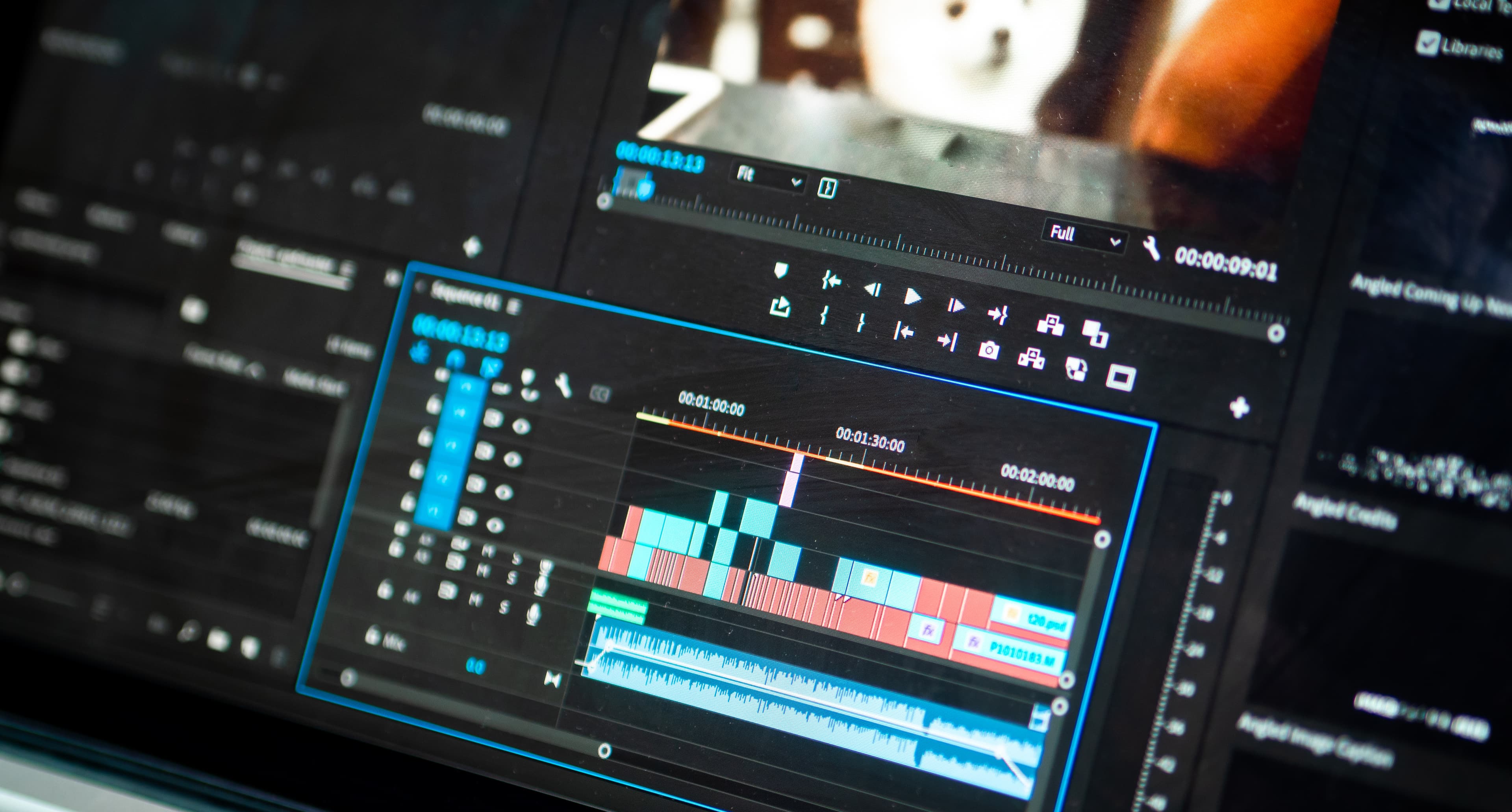
At first, I started with a more fundamental question: does this product even need sound? We were a small team. No dedicated sound designer. Was investing time and money into audio the right priority? That question stayed with me for a while. But the answer came the moment I sat down and used the product without any sound. Flying through outer space — in silence. Pressing a button — nothing. Discovering something — quiet. Visually, things were clearly happening, but there was nothing for the ears. That gap made the product feel unfinished. That's when I knew: sound wasn't optional.
The next question was how to make it. We evaluated three paths.
The first was commissioning a professional sound studio. The idea was to brief a production company on our world and vision, and have them create original sound from scratch. The quality ceiling would be highest with this approach — but it was slow and expensive. Not a realistic choice for a small startup in its early days.
The second was an exclusive 1:1 contract with an independent sound designer. Deep collaboration with a single artist who would create something built entirely around our product. This had its appeal. Custom sound tailored to your product is a real advantage. But finding the right person, getting them to deeply understand the product, and cycling through revisions to reach something final — that process demanded far more time than our development pace could absorb.
The third was leveraging a commercial sound library directly. Honestly, this one felt like a compromise at first. Would using music anyone could license ever give Spacebar a sound that felt truly ours? But the more I researched, the more my thinking shifted. Platforms like Artlist, Epidemic Sound, and Soundstripe house tens of thousands of professional-quality tracks — and beyond just downloading files, they provide stem separation, editing tools, and layering environments that make genuine creative work possible. In other words: the library is ingredients. What you cook is entirely up to you.
As a music enthusiast, I decided to go hands-on. Not just pulling tracks and dropping them in — but sourcing raw material, shaping it, editing it, and building something that felt right for Spacebar. That was the direction: realistic, yet still distinctly ours.
From there, sound split into two main branches: sound effects (SFX) and background music (BGM). Initially I considered limiting sound to the gameplay sections, but testing quickly revealed that wasn't enough. From the moment a user enters the product — through loading screens, onboarding, the first encounter with space — every soundless moment felt incomplete. Gradually, the scope expanded, until sound touched the entire product.
"Sound is invisible design. You notice its absence immediately."
Instruments, Rhythm, Finding the Sound of Space
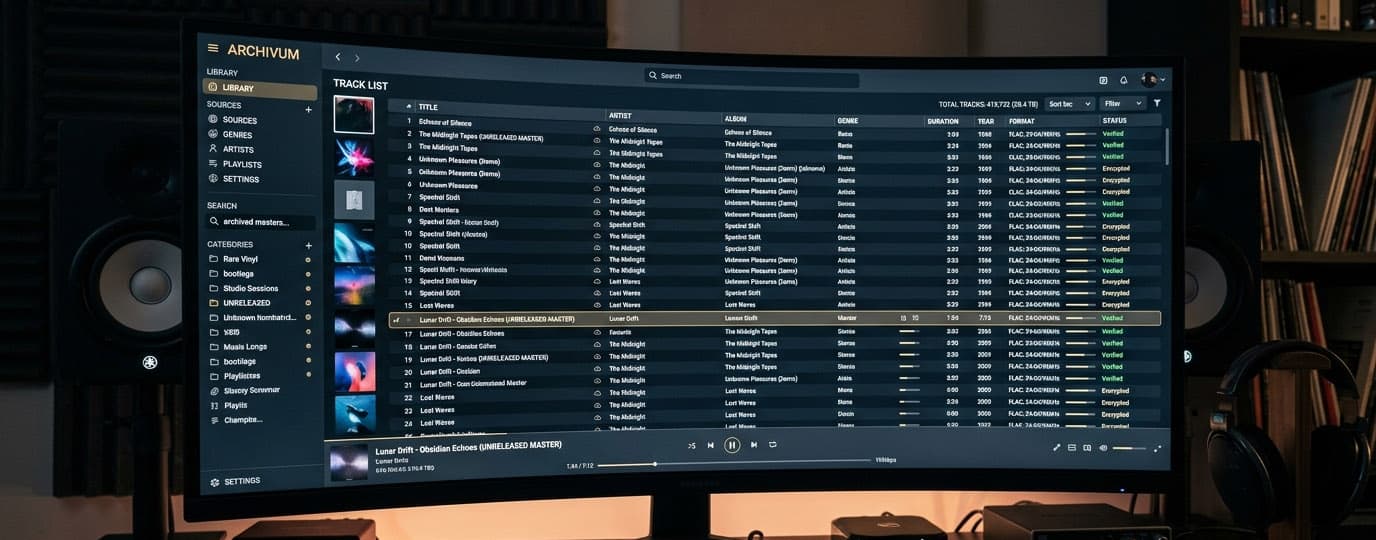
Spacebar is a social platform at heart, but the core user experience is gamified — riding a spaceship inspired by a paper airplane, flying through different corners of the universe. The sound that experience called for wasn't just music that sounded cool. Each space needed its own distinct feel, while the whole thing still had to sound unmistakably like Spacebar.
The direction was singular: simple and mysterious, but approachable. Not too grand, not too heavy. Cosmic, but not overwhelming. Finding that balance was the hardest part. Most sound design built around space leans toward something sweeping and dramatic — the weight of the infinite. But Spacebar wasn't trying to overpower users; we wanted to build a place they'd want to stay in. If background music becomes the main character, something's gone wrong. We wanted sound to fill the space without interrupting what the user was actually there to do.
Creating the BGM took far longer than expected. Since building original compositions from scratch required time and expertise we didn't have, the process started elsewhere: searching through libraries for short loop segments with rhythm patterns that could cycle naturally. I downloaded and listened to hundreds of near-identical beats. Most were dismissed within the first five seconds — too commercial, too generic, or simply wrong for the world of space.
Once a handful of candidates survived that filter, the real work began: editing. Finding the precise loop point where the track could repeat without any audible seam, adjusting tempo and pacing, layering in supplementary sounds. Dozens of iterations through audio tools — listening for where the loop could breathe without a break, which instrument combinations felt cosmic yet light and friendly. Synthesizer tones formed the foundation. Soft percussion and ambient layers were added on top, giving each space a slightly different atmosphere while staying within the same palette.
Sound effects were a different kind of battle entirely.
The market is flooded with paid SFX. Search for a simple click sound and thousands of files appear. The problem: most of them are instantly familiar. Common click sounds are things users have already heard, subconsciously, in a dozen other products. Use them as-is and Spacebar loses its own voice.
Take mouse click sounds as an example — the level of nuance here is surprising. There are more variables than you'd expect. A pitch that's too high becomes sharp and irritating. Too low and the response feels dull, like the interface didn't register. Too short and the sound has no presence; too long and it gets in the way. The intensity of the initial attack — that tactile 'click' — the length of the decay that follows, the overall warmth or coldness of the tone. All of it shapes what a user feels in the moment they press a button.
What we wanted was something light but present. When a user presses a button, there should be a clear signal — yes, that happened — without the sound pulling their attention. The SFX needed to function as supporting cast, not lead. To find that line, I brought in dozens of files and spent time raising and lowering pitches, adjusting decay, layering two sounds together. The same button still needed different sounds depending on the action — a casual click versus a significant action shouldn't feel the same. Getting those subtle distinctions right was the core challenge of the SFX work.
Explosion sounds were no different. Sounds for breaking Capsules, interacting with Mines — each required three tiers based on scale. The same explosion event needed to feel different depending on whether it was a small Capsule or a large object. After extensive testing, a consistent explosion sound family emerged — one that felt distinctly Spacebar's own.
"Sound is invisible, but its absence is felt immediately."
Licensing and Copyright — What You Need to Know

When pulling audio from licensing libraries and using it in a product, understanding the exact scope of your license isn't optional — especially for any product operating commercially. This is one of the areas where many developers don't look closely enough, and find out later that there's a problem.
The Basic Structure of Music Licensing
Traditional music copyright is divided into two distinct rights. The Sync License — the right to synchronize music to video or a product — and the Master License — the right to use the actual recorded audio file. Historically, these two rights had to be negotiated separately. Modern music library platforms like Artlist and Epidemic Sound have consolidated both rights into a single license.
Platform Comparison
Artlist — Starting at around $199/year. Unlimited downloads during the subscription period, covered under a universal license for YouTube, social media, advertising, commercial products, and most standard use cases. Content used during the subscription period remains usable even after the subscription ends. Library includes 22,000+ tracks and 72,000+ sound effects.
Epidemic Sound — Starting at $9.99/month for individuals. Over 50,000 tracks in a large library. Deeply integrated with YouTube's Content ID system, making it especially useful for social media creators. All tracks include individual stem files for flexible editing. Business plans cover commercial product use. Unlike Artlist, content can't be used in new projects after the subscription ends.
Soundstripe — Subscription model in which a permanent license is granted at the time of download. Tracks downloaded during the subscription remain usable even after cancellation. Notable for offering indemnification (legal protection) for commercial use. Library includes high-quality tracks from Grammy-winning artists and grew by 80% in 2024.
AudioJungle — Individual purchase per track, with pricing and license tier varying by intended use. Enormous library of 500,000+ tracks, though quality varies significantly. For commercial games or apps, the appropriate license tier must be verified carefully — it's not automatic.
Splice — Monthly subscription providing access to millions of samples, loops, one-shots, and presets. Unlike BGM-focused platforms, Splice is closer to a raw material library for music producers. Paid subscribers may use downloaded sounds for both non-commercial and commercial purposes — including video games, film, television, radio, and live performances. Particularly relevant for game and app developers: licenses on downloaded sounds are perpetual and non-exclusive. Content downloaded during the subscription period remains usable even after cancellation. One restriction: samples cannot be redistributed as standalone files or included in other sample packs — they must be embedded within a finished creative work.
What Game and App Developers Need to Watch
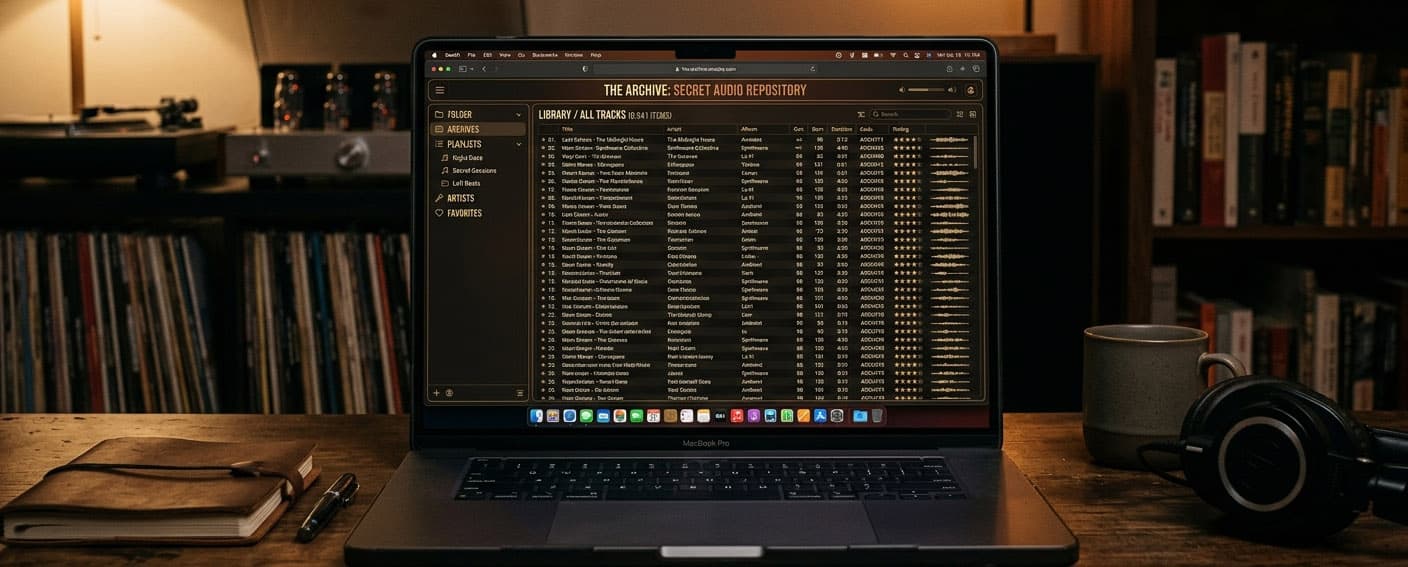
"Royalty-free" does not mean "legally risk-free." Many music libraries provide licenses with restrictions that don't cover commercial games or large-scale distribution. Key items to verify:
Scope of use — A license for YouTube or social media does not automatically cover in-product use in a commercial game or app. Confirm separately whether the license extends to trailers, sequels, and spin-offs. If gameplay footage streams live and your audio is audible, that may require additional rights.
Rights after subscription ends — This varies widely by platform. Some allow continued use of previously licensed audio after cancellation; others do not. For long-running products, this is especially important to nail down.
Separate soundtrack distribution — A license for in-game use does not automatically cover distributing a standalone soundtrack album on Spotify, Apple Music, or similar platforms. That may require a separate agreement.
Scope of editing and tuning — If you're editing and reworking existing tracks, check the platform's Derivative Work policy. Most platforms permit editing, but some place limits on significantly restructuring the original track.
Global Trends, 2024–2026

The music licensing market is moving fast. Global music licensing revenue grew 25% year-over-year in 2024, and as the game and app industries continue to expand, the rules around licensing are becoming increasingly precise. If your product reaches users in emerging markets like India, Brazil, or Southeast Asia, regional copyright laws are worth reviewing separately — they don't always follow the same rules.
AI-generated music adds another layer of complexity. As of 2026, the copyright and royalty frameworks governing AI-generated soundtracks are still taking shape — regulators and industry bodies around the world are actively working out the standards. If you're using AI-generated audio in a commercial product, be aware that real legal uncertainty still exists in this space.
In the end, the safest approach comes down to one thing: read the license terms before you use anything, and if you're putting it into a commercial product, verify explicitly that the platform's business or commercial license tier covers your use case. Sound defines how a product is first perceived — but the wrong license can put the product itself at risk. For small startups especially, getting this right from day one is the most practical way to avoid a much larger problem down the road.